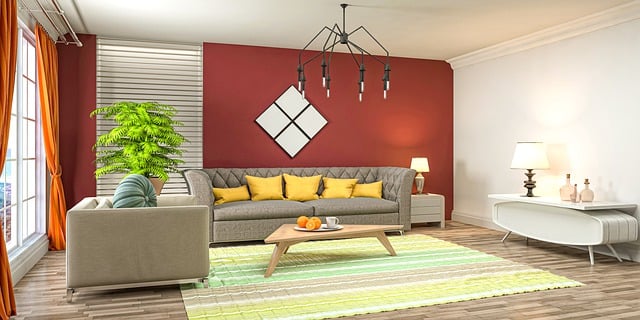
Modern Apartments for Rent in Albany: A Comprehensive Guide
Introduction
In the ever-evolving urban landscape, modern apartment rentals have emerged as a defining feature of contemporary living, especially in vibrant cities like Albany. This article delves into the multifaceted world of modern apartments for rent, exploring their unique characteristics, global impact, economic implications, and the technological innovations that shape this dynamic sector. By examining these aspects, we aim to provide readers with an insightful understanding of how these apartments are redefining urban housing and what the future holds for this exciting trend.
Understanding Modern Apartments for Rent in Albany
Definition: Modern apartments for rent in Albany refer to contemporary residential properties designed with a focus on cutting-edge aesthetics, smart amenities, and efficient living spaces. These apartments often incorporate the latest architectural designs, sustainable materials, and technology-integrated features to cater to the modern tenant's lifestyle expectations.
Core Components:
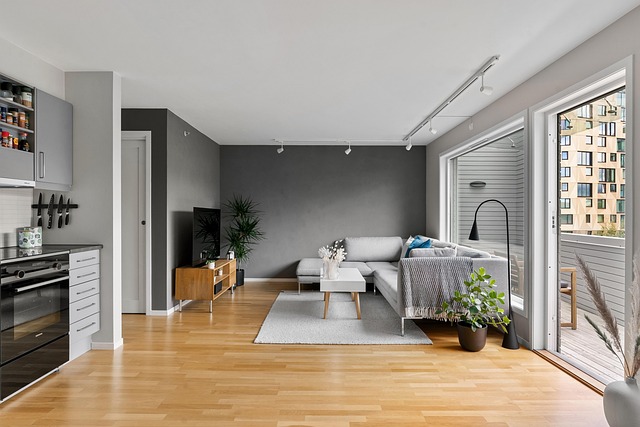
- Aesthetics: Clean lines, open layouts, and minimalist design elements are common characteristics, creating a visually appealing and spacious ambiance.
- Smart Homes: Integration of smart home technology allows for voice control lighting, temperature regulation, security systems, and automated appliances, enhancing convenience and energy efficiency.
- Sustainable Features: Energy-efficient appliances, LED lighting, and water-saving fixtures contribute to environmental sustainability while reducing utility costs.
- Amenities: Modern apartments often include high-end fitness centers, rooftop terraces, co-working spaces, and in-unit technology hubs, catering to the diverse needs of urban dwellers.
Historical Context: The concept of modern apartment living has evolved over time, influenced by architectural movements such as the International Style and the desire for more functional and aesthetically pleasing homes. In Albany, the post-World War II era saw a surge in mid-century modern architecture, which laid the foundation for today's modern apartment designs. Over the years, the demand for these properties has grown, driven by changing demographics and a rising appreciation for technology-rich living spaces.
Significance: Modern apartments offer a unique blend of style, convenience, and sustainability, catering to the needs of young professionals, students, and tech-savvy individuals. They contribute to urban renewal by revitalizing city centers and providing affordable housing options within walking distance of amenities and employment hubs.
Global Impact and Trends
The global impact of modern apartments for rent is profound, with cities worldwide embracing this housing model to address growing urbanization and changing consumer preferences.
International Influence:
- North America: Cities like New York, Los Angeles, and Toronto have led the way in popularizing modern apartment communities, attracting talent from around the globe with their tech-forward environments.
- Europe: Berlin, Amsterdam, and London are known for their hipster-friendly, industrial-style lofts and micro-apartments, catering to young professionals and freelancers.
- Asia: Tokyo and Singapore boast ultra-modern high-rises, incorporating smart home technology and offering breathtaking cityscape views, setting new standards for urban living.
Key Trends:
- Sustainability: A growing emphasis on eco-friendly design, with green building certifications becoming a selling point for modern apartments.
- Micro-Apartments: Reducing space to optimize costs and accommodate diverse living arrangements, especially in densely populated areas.
- Co-living Spaces: Shared living arrangements with communal areas, catering to young professionals seeking a social and collaborative environment.
- Tech Integration: Voice assistants, smart locks, and energy monitoring systems are becoming standard features, enhancing security and efficiency.
Economic Considerations
The market dynamics surrounding modern apartments for rent are complex, influenced by various economic factors and investment trends.
Market Dynamics:
- Demand vs. Supply: In many cities, the demand for modern apartments exceeds supply, leading to higher rental rates and limited availability. This dynamic is particularly evident in tech hubs where talent migration drives housing market trends.
- Rental Rates: Modern apartments typically command premium rents due to their desirable locations, amenities, and cutting-edge features. Landlords invest in these properties to capitalize on the growing demand for urban living.
Investment Patterns:
- Real Estate Investment Trusts (REITs): REITs have recognized the potential of modern apartment communities, investing heavily in development and acquisition, especially in cities with strong tech economies.
- Private Equity: Private equity firms target affordable housing segments, often purchasing older properties and renovating them to modern standards to increase rental income.
- Crowdfunding: Online crowdfunding platforms offer opportunities for individual investors to participate in real estate projects, including modern apartment developments, providing diverse funding sources.
Economic System Role: Modern apartments contribute to local economies by:
- Attracting Talent: Tech-friendly housing attracts professionals, fostering innovation and entrepreneurship within urban centers.
- Supporting Local Businesses: Tenants' spending on goods and services benefits nearby retailers, restaurants, and service providers.
- Increasing Property Values: The presence of modern apartments can enhance surrounding property values, leading to improved tax revenues for local governments.
Technological Advancements
Technology plays a pivotal role in shaping the future of modern apartments for rent, with continuous innovations enhancing the living experience and operational efficiency.
Smart Home Automation:
- Voice Assistants: Amazon Alexa, Google Assistant, and Apple Siri integration allows tenants to control lighting, temperature, and security systems via voice commands.
- Smart Security: Biometric access controls, facial recognition, and advanced surveillance systems enhance building security, providing tenants with peace of mind.
- Energy Monitoring: Smart meters and IoT devices enable real-time tracking of energy usage, helping tenants reduce consumption and costs.
Building Management Systems (BMS): BMS platforms offer centralized control over various aspects of the apartment complex:
- Maintenance: Tenants can report issues via mobile apps, enabling efficient maintenance scheduling and communication.
- Energy Optimization: Building managers can optimize energy distribution, reducing operational costs and environmental impact.
- Access Control: BMS allows for flexible access permissions, enhancing security while accommodating tenant preferences.
Virtual Reality (VR) and Augmented Reality (AR):
- Remote Tours: VR and AR technologies enable prospective tenants to virtually tour apartments from anywhere in the world, revolutionizing the rental process.
- Design Customization: Tenants can visualize custom design options, allowing for personalized apartment layouts and finishes.
Policy and Regulation
The development and management of modern apartments for rent are subject to various policies and regulations, ensuring fair practices and safe living conditions.
Key Policies:
- Zoning Regulations: Local governments dictate land use, including restrictions on apartment height, density, and amenities, shaping the physical landscape of urban areas.
- Building Codes: These codes specify construction standards, safety measures, and energy efficiency requirements for new developments.
- Rental Housing Laws: Protecting tenants' rights, these laws govern rental agreements, security deposits, eviction processes, and fair housing practices.
Regulatory Bodies:
- Local Planning Authorities: Responsible for approving development plans and ensuring compliance with zoning and building codes.
- Tenancy Boards/Departments: Handle tenant complaints, enforce rental housing laws, and provide dispute resolution mechanisms.
- Environmental Agencies: Oversee sustainability practices, energy efficiency standards, and waste management within apartment complexes.
Influence on Development: Regulatory frameworks:
- Encourage Innovation: Well-designed policies can foster innovative design and technology adoption while ensuring safety and affordability.
- Prevent Over-Development: Zoning regulations prevent excessive construction, preserving green spaces and maintaining community character.
- Promote Sustainability: Energy efficiency mandates and green building incentives encourage environmentally conscious practices in apartment development.
Challenges and Criticisms
Despite their many advantages, modern apartments for rent face several challenges and criticisms that require thoughtful solutions.
Main Challenges:
- High Costs: Premium rental rates and high property values can make modern apartments unaffordable for low- to moderate-income earners, leading to a lack of housing diversity.
- Technology Dependence: While smart home technology enhances convenience, it may create potential security risks if not properly secured, and tenants may face challenges with initial setup and maintenance.
- Sustainability Concerns: Despite eco-friendly efforts, some modern developments still contribute to urban heat islands due to dark glass facades, requiring careful design considerations.
Proposed Solutions:
- Affordable Housing Initiatives: Governments can partner with developers to create mixed-income communities, ensuring accessibility for diverse income groups.
- Cybersecurity Measures: Implementing robust cybersecurity protocols and educating tenants about best practices can mitigate technology-related risks.
- Green Design Guidelines: Developers should adhere to strict sustainability guidelines to minimize the environmental impact of modern apartment complexes.
Case Studies
Case Study 1: The Lofts at Downtown Albany
Project Overview: This revitalized historic warehouse in downtown Albany transformed into a sought-after modern apartment community, offering loft-style living with industrial chic aesthetics.
Key Features:
- Sustainable Design: The development incorporated energy-efficient HVAC systems, LED lighting, and rainwater harvesting for landscaping.
- Smart Amenities: Residents enjoy a shared co-working space, a rooftop terrace with city views, and a fitness center equipped with smart mirrors.
- Community Engagement: The project organizers hosted community events, fostering a sense of belonging among residents and local businesses.
Outcomes:
- Rental Success: Within six months, all units were occupied, with high occupancy rates sustained over the following years.
- Economic Impact: The development attracted tech startups and freelance professionals, contributing to downtown Albany's growing reputation as a vibrant hub for young professionals.
- Community Enhancement: The project revitalized a neglected area, encouraging further urban renewal initiatives in the surrounding neighborhood.
Case Study 2: Eco-Friendly Micro-Apartments
Project: A recent apartment complex in Brooklyn, New York, introduced a micro-apartment concept focused on sustainability and smart living.
Design Innovations:
- Space Optimization: Each studio apartment features vertical storage solutions, fold-down desks, and retractable furniture to maximize limited space.
- Sustainable Features: Solar panels, greywater recycling systems, and high-efficiency appliances contribute to a reduced carbon footprint.
- Smart Technology: Voice-controlled lighting, temperature sensors, and energy monitoring systems are standard amenities.
Resident Feedback:
- Affordability: The micro-apartments offered competitive rental rates for the area, appealing to young professionals on tight budgets.
- Convenience: Residents praised the smart home technology, citing improved energy efficiency and enhanced security.
- Community: Despite limited space, the building's communal lounge and rooftop garden encouraged social interaction among tenants.
Future Prospects
The future of modern apartments for rent in Albany holds immense potential, with emerging trends and strategic considerations shaping the urban housing landscape.
Potential Growth Areas:
- Smart City Integration: As Albany continues its digital transformation, modern apartments will play a pivotal role in hosting smart city technologies, such as 5G networks and IoT sensors.
- Co-living and Micro-Communities: The demand for shared living spaces is expected to grow, fostering a sense of community among tenants while optimizing space utilization.
- Sustainable Innovation: Developers will focus on ultra-efficient designs, exploring innovative materials and technologies to reduce carbon footprints.
Emerging Trends:
- Biophilic Design: Incorporating natural elements and green spaces within apartments and common areas to promote well-being and a connection with nature.
- Digital Twin Technology: Using digital twins to visualize and optimize apartment systems, enhancing energy management and tenant experience.
- Blockchain for Renting: Implementing blockchain technology for secure and transparent rental agreements, streamlining the process and reducing disputes.
Strategic Considerations:
- Collaborative Partnerships: Developers should collaborate with local governments, community organizations, and tech companies to create integrated urban solutions.
- Diverse Funding Sources: Exploring creative funding methods, such as public-private partnerships or crowdfunding, can facilitate more projects.
- Long-Term Sustainability: Investing in research and development for sustainable materials and technologies will ensure the industry's long-term viability.
Conclusion
Modern apartments for rent in Albany represent a significant evolution in urban living, blending technology, sustainability, and design to cater to the needs of contemporary residents. As cities continue to grow and change, these apartments will play a crucial role in shaping the future of urban housing, offering affordable, efficient, and technologically advanced homes. By addressing challenges, embracing innovation, and fostering community engagement, developers and policymakers can ensure that modern apartments remain a defining feature of Albany's vibrant and diverse urban fabric.
FAQ Section
Q: Are modern apartments more expensive than traditional rentals?
A: Modern apartments often come with premium prices due to their advanced features, desirable locations, and high-end finishes. However, rental rates can vary based on market conditions, and there are options for affordable modern apartments through government initiatives and creative financing.
Q: How do I know if an apartment is using sustainable practices?
A: Look for certifications like LEED (Leadership in Energy and Environmental Design) or Green Building Council ratings. Check for energy-efficient appliances, LED lighting, water-saving fixtures, and eco-friendly building materials. Sustainable practices also include responsible waste management and on-site renewable energy sources.
Q: Can I customize my modern apartment to my preferences?
A: Many developers offer customization options, allowing tenants to personalize their spaces with choice of finishes, flooring, and layout. Some even provide virtual design tools to visualize custom designs before moving in.
Q: Are smart home systems secure?
A: Smart home security is a growing concern, but reputable developers and technology providers take data protection seriously. Implementing robust cybersecurity measures, using encrypted connections, and educating tenants about best practices can significantly reduce risks.
Q: How do I find affordable modern apartments?
A: Check with local housing authorities for subsidized rental programs or search online platforms that specialize in affordable housing. Developers often partner with government agencies to offer diverse income options, ensuring accessibility for all.